What Are the Benefits of Polyurethane Concrete Leveling Over Traditional Mudjacking?
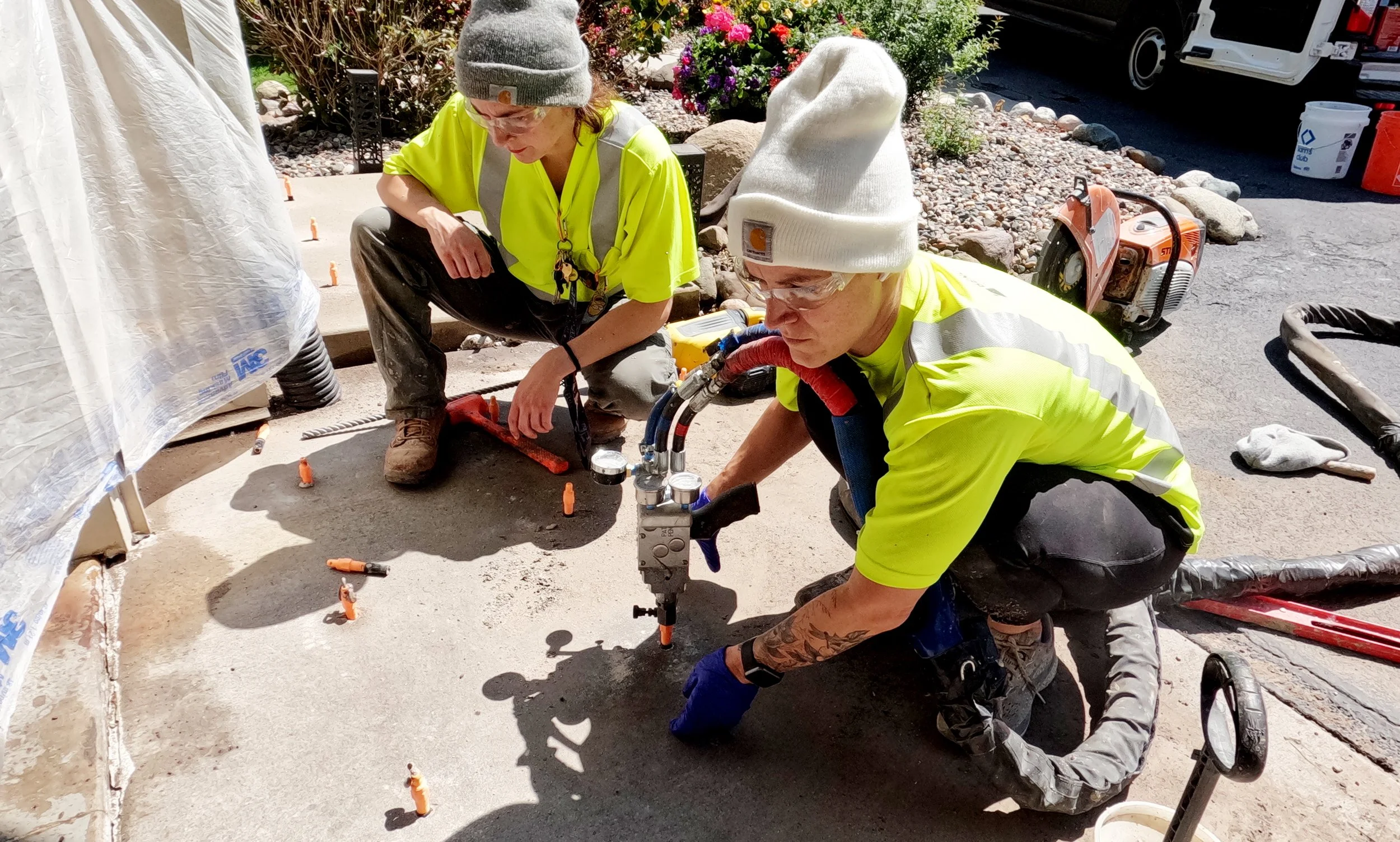
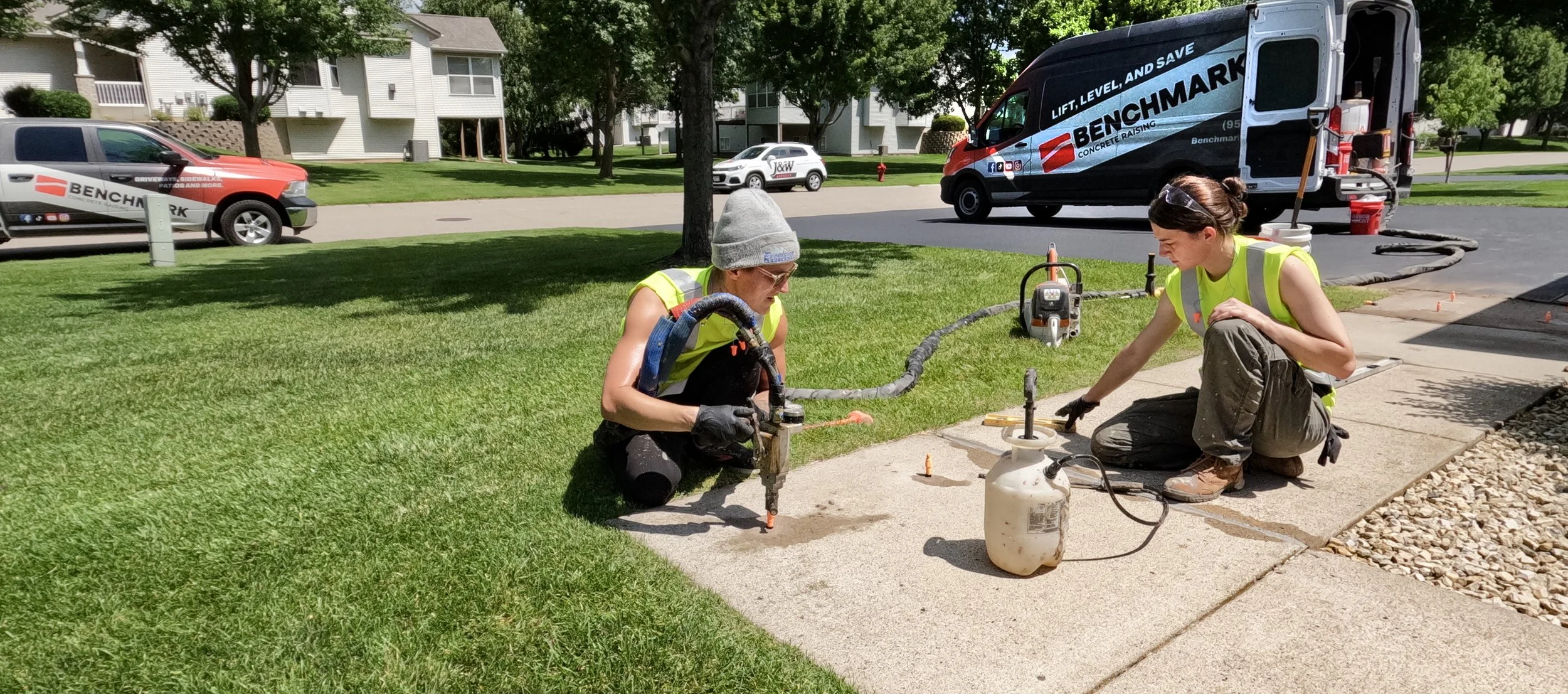
Polyurethane foam lifts sunken concrete faster, with smaller holes and longer-lasting results than mudjacking. Here's how the two methods compare.
Why Sunken Concrete Sidewalks in Minnesota Don't Need to Be Replaced
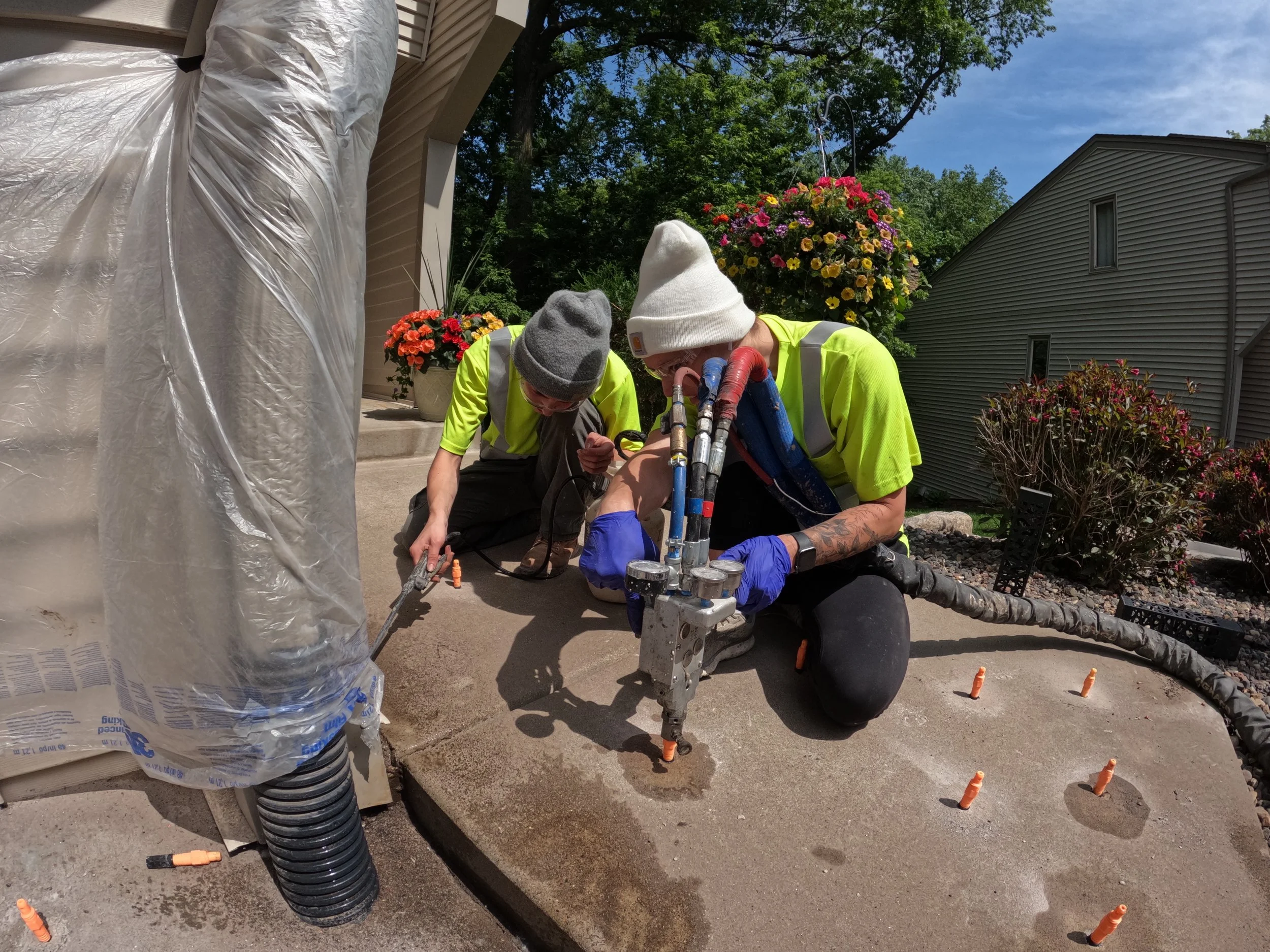
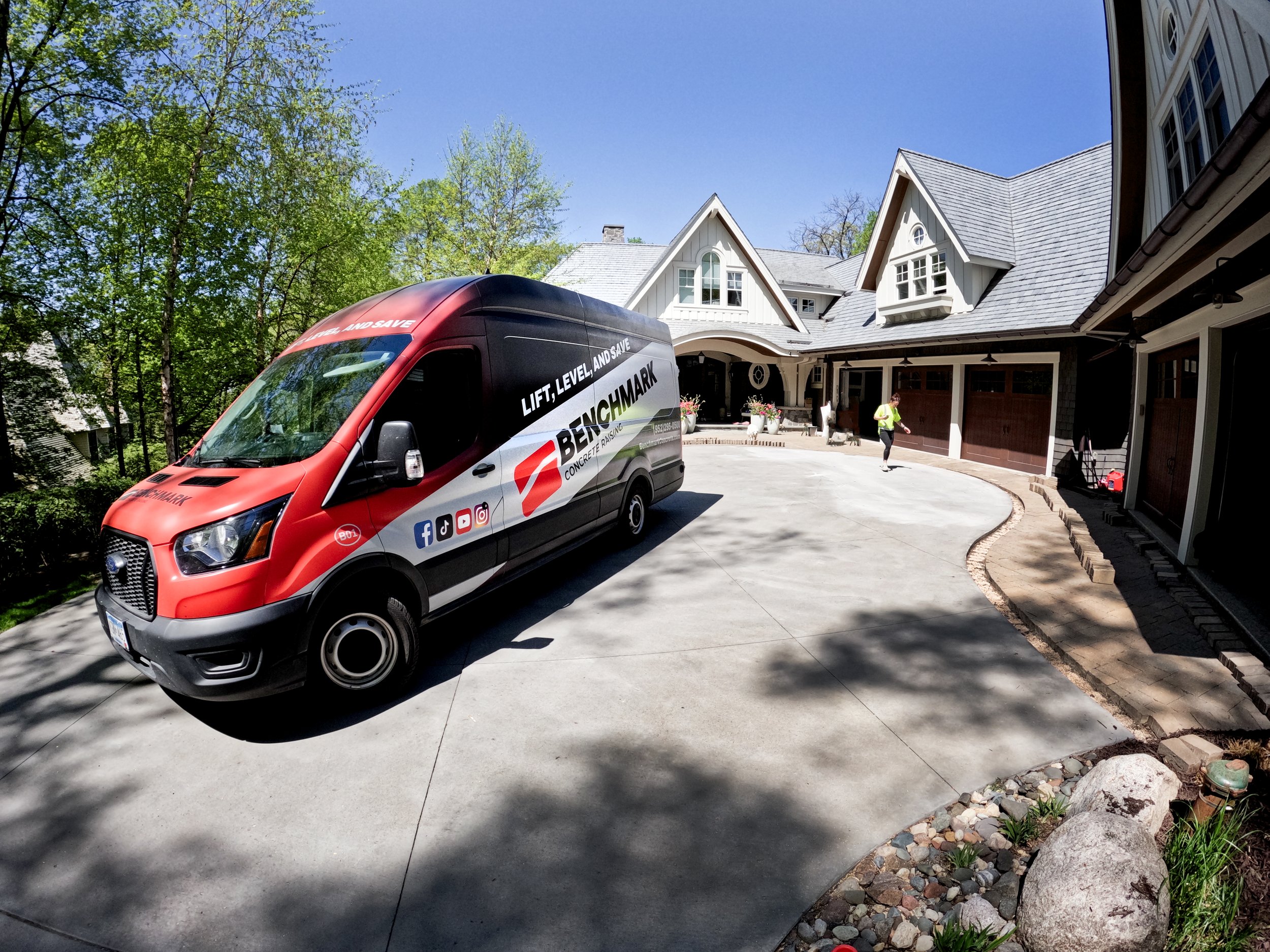
Most homeowners don't know polyjacking exists until they've already signed a replacement contract they didn't need to sign. If your sidewalk has dropped, chances are the concrete itself is fine — the problem is the soil underneath it. In Minnesota, freeze-thaw cycles open voids beneath slabs year after year, and pouring new concrete on that same unstable base just starts the clock over. Polyjacking fills those voids directly, lifting panels back to grade in under two hours, with no demolition, no curing time, and no mess. About 70% of the sunken sidewalk panels we evaluate are strong candidates for lifting rather than replacement — and the average job costs a fraction of what a new pour runs in the Twin Cities metro.
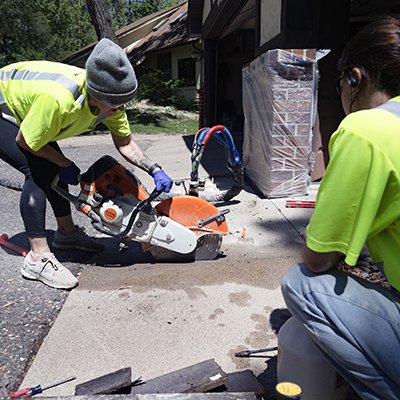
Why Does Concrete Settle or Sink?
Your concrete didn't just decide to sink one day — something underneath it gave way. Benchmark Concrete Raising breaks down the 6 most common reasons concrete settles, the warning signs to watch for, and why fixing it early almost always costs a fraction of waiting too long.
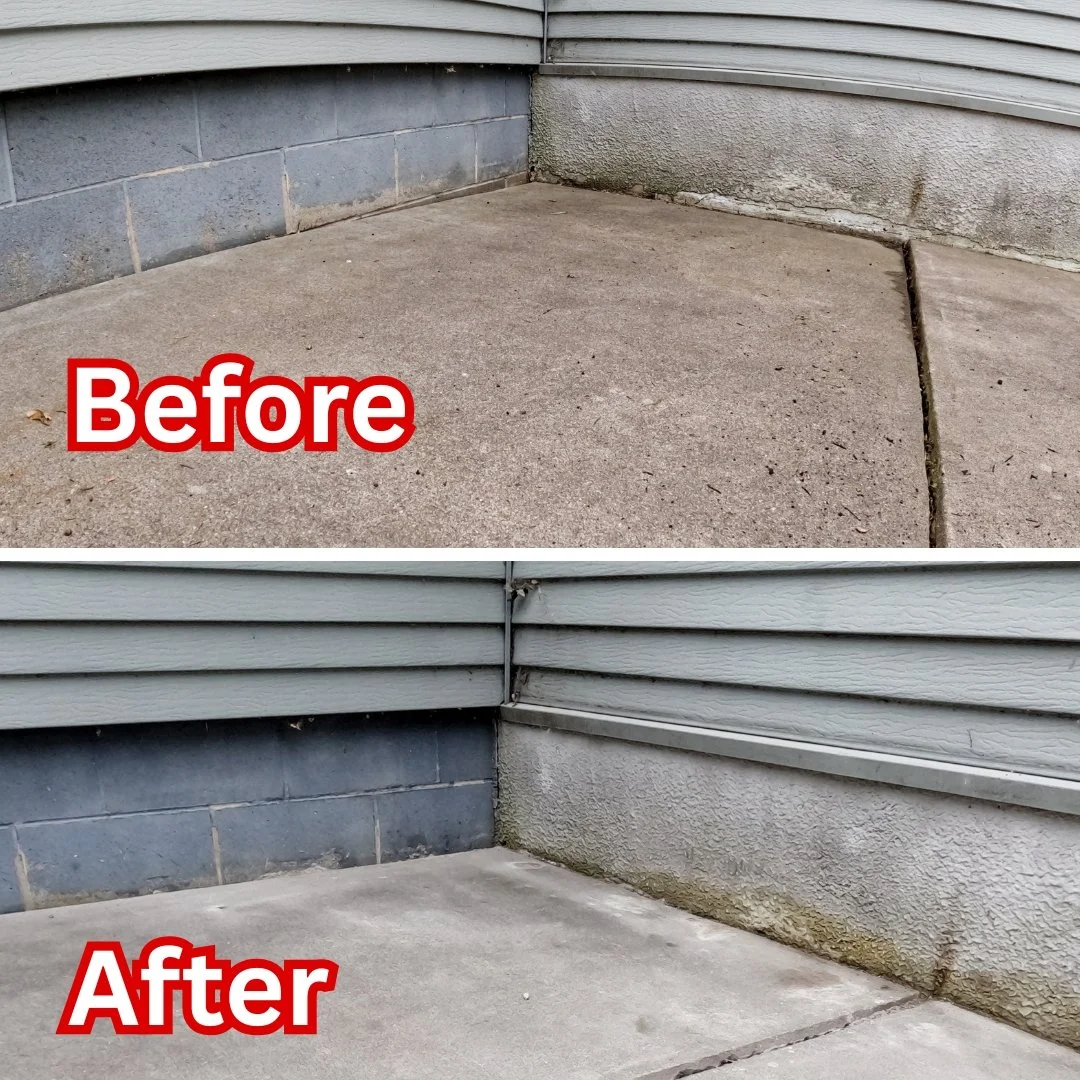
Foam Concrete Lifting for Driveways, Sidewalks, Basements & More
Sunken concrete doesn’t always mean replacement. Foam concrete lifting uses expanding polyurethane foam to raise and level driveways, sidewalks, patios, and basement floors quickly and cost-effectively, often in just a few hours.
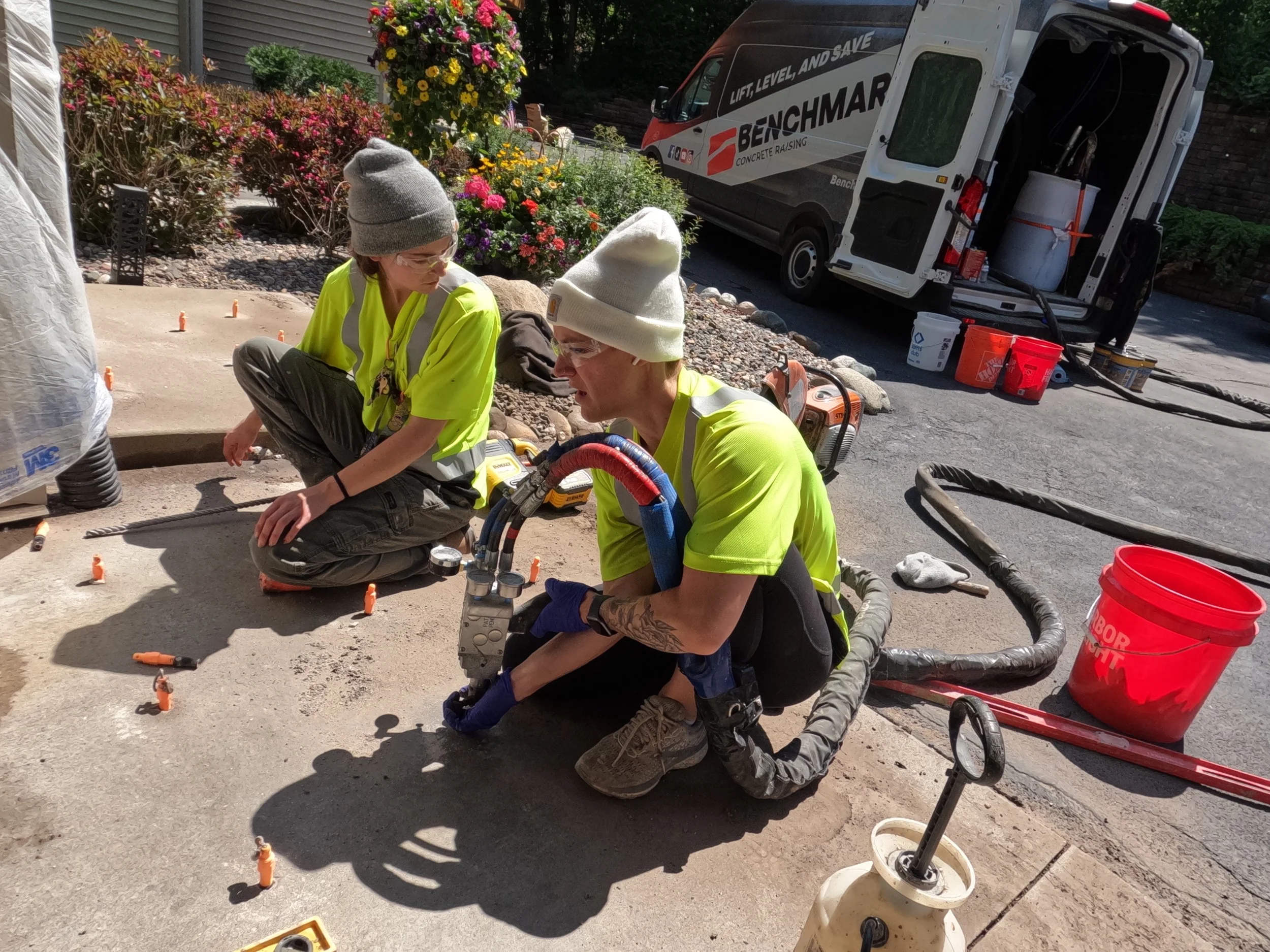
Can Sunken Concrete Be Repaired or Does It Need Replacement?
Most sunken concrete does not need to be replaced. In many cases, uneven sidewalks, driveways, and patios can be repaired using polyurethane concrete raising—saving time, money, and disruption. This guide explains when repair makes sense, when replacement is necessary, and how homeowners can choose the right solution.
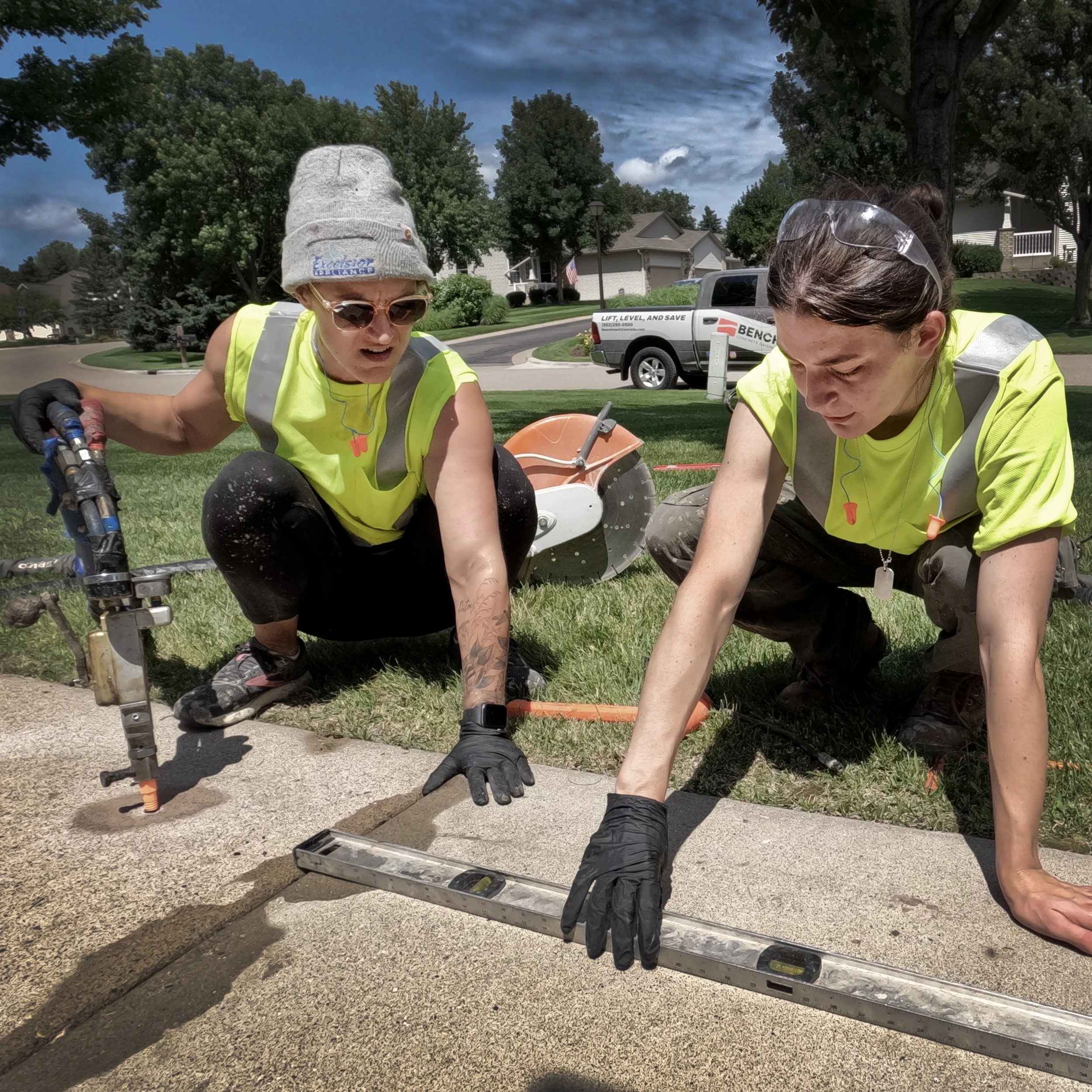
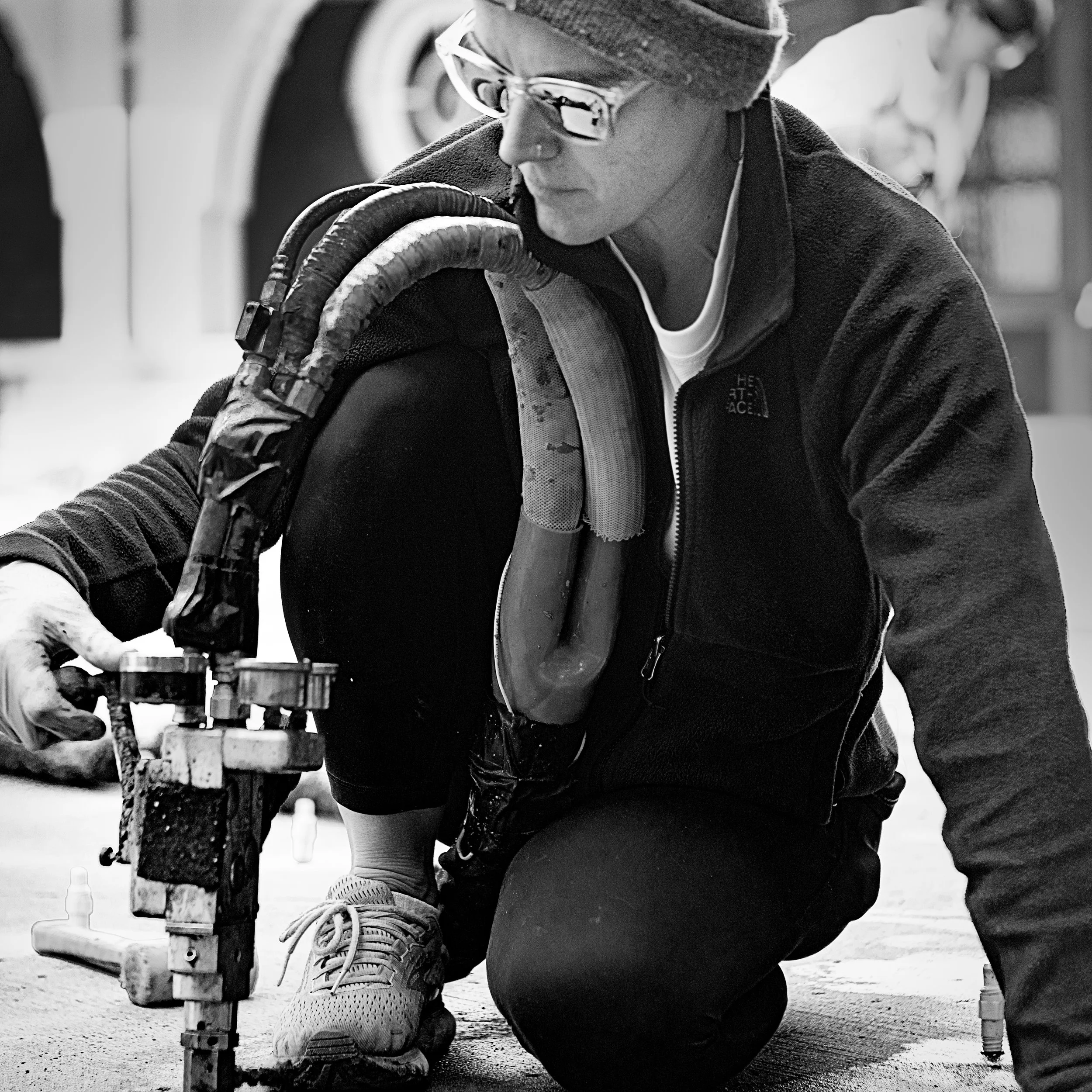

What Is Polyurethane Concrete Raising? A Simple Homeowner’s Guide.
Small drill holes are all it takes. Polyurethane concrete raising lifts sunken sidewalks by injecting foam beneath the slab—no demolition, no mess, and no waiting days to use your concrete again.
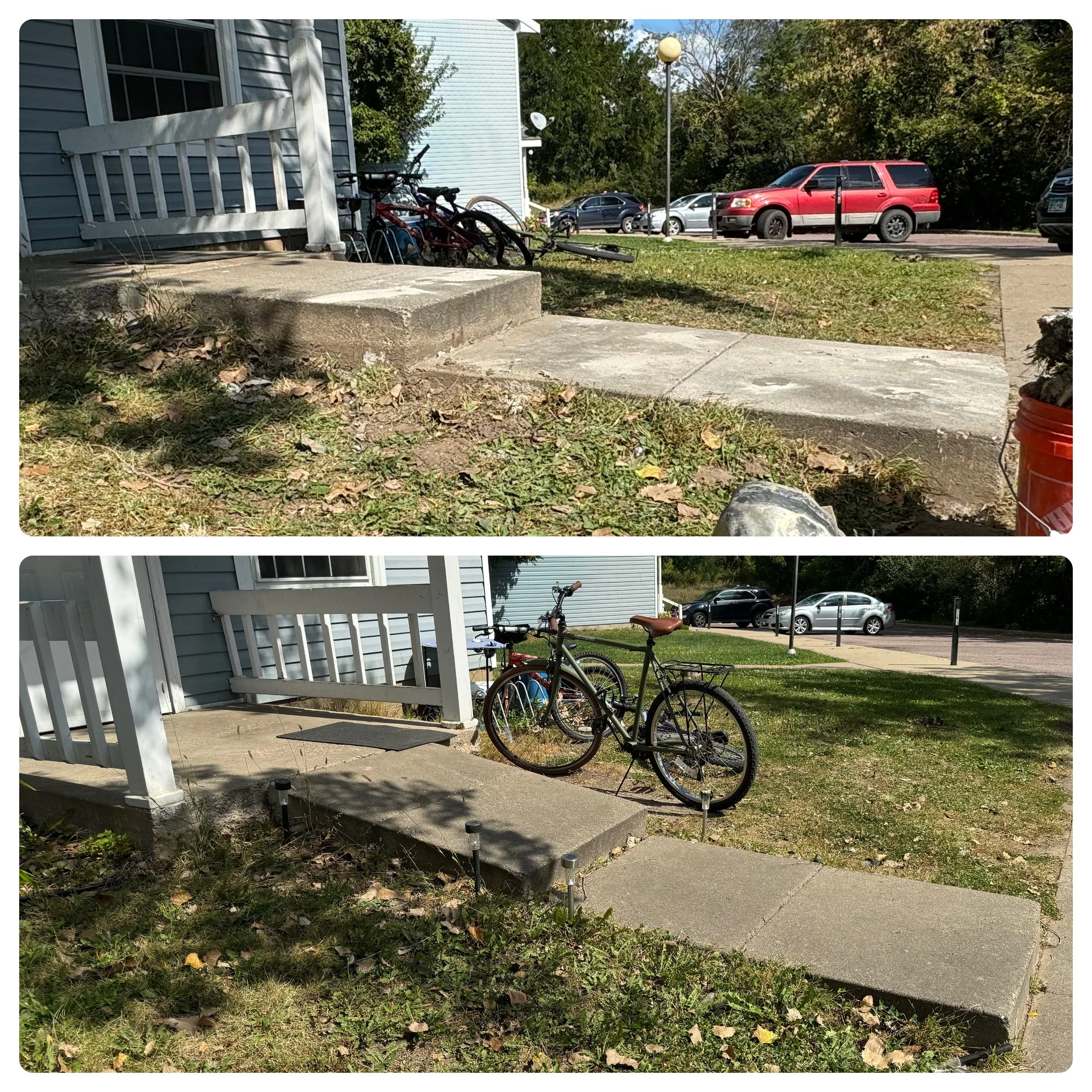
Is Your Concrete Unsafe, or Just Settled?
Most sunken concrete is not unsafe or “broken”—it’s simply settled.
If your sidewalk, driveway, steps, patio, or garage apron is uneven but not cracked beyond repair, polyurethane concrete raising is usually the faster, cleaner, and far more cost-effective solution than full replacement.

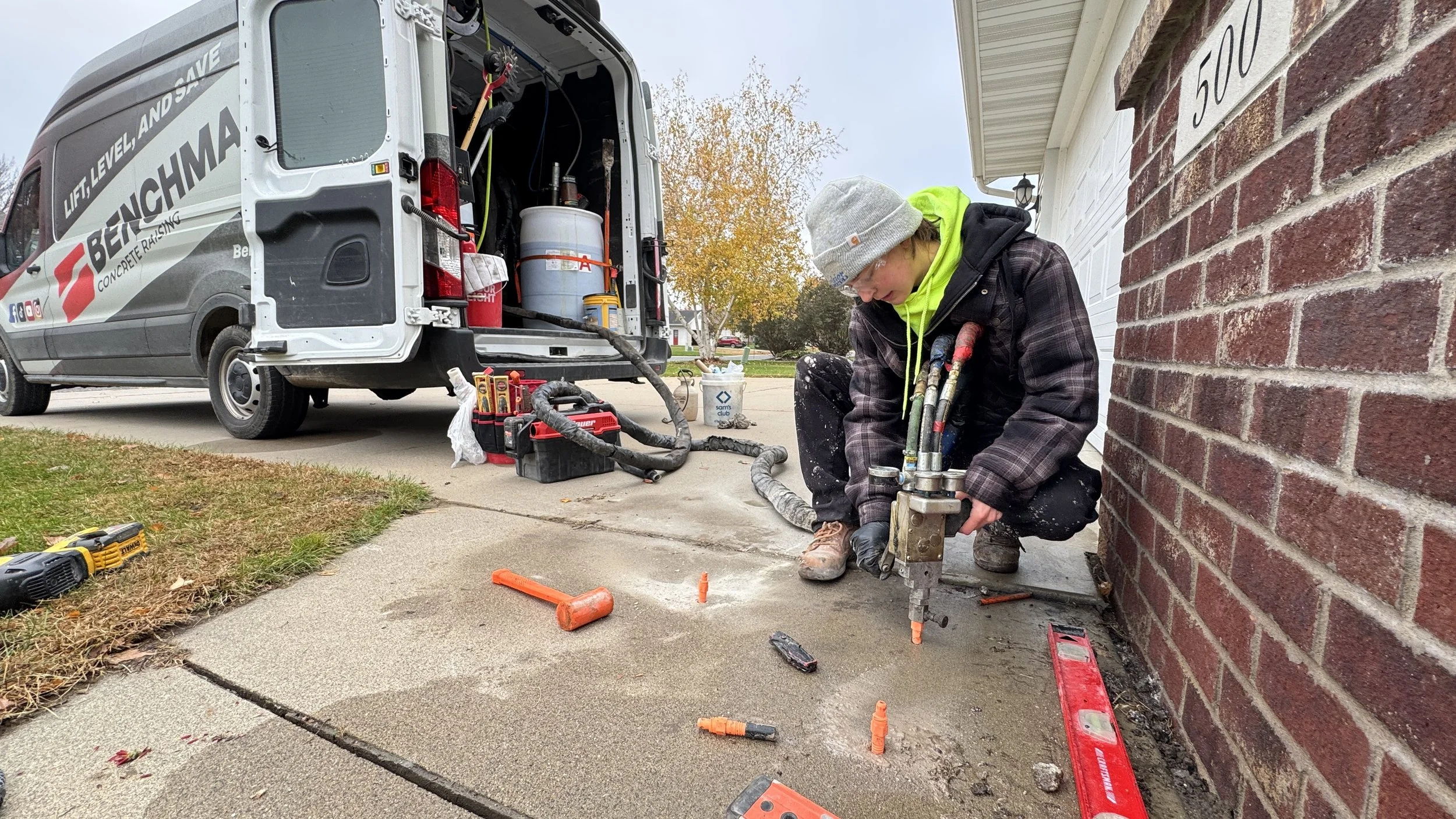
How to Spot Early Signs of Concrete Sinking in Minnesota Homes
Concrete sinking starts small—tiny gaps, new cracks, or water pooling where it shouldn’t. This guide shows Minnesota homeowners how to identify early signs of slab settlement before it becomes a costly replacement. Benchmark Concrete Raising explains what to look for and when to call for a free evaluation.
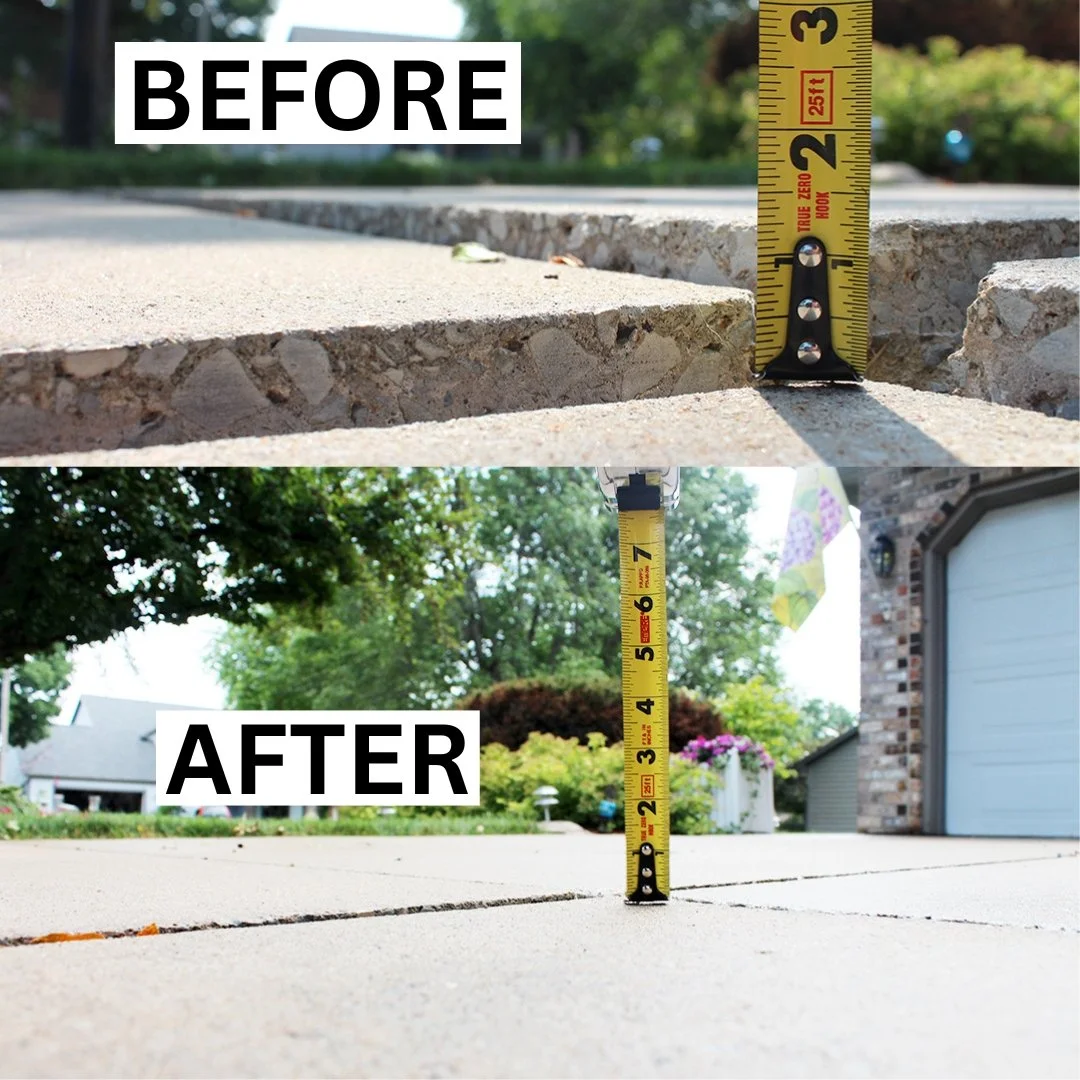
Should I Repair, Resurface, or Replace My Concrete Driveway?
Wondering whether to repair, resurface, or replace your concrete driveway? Benchmark Concrete Raising breaks down each option in plain language. Learn how to tell if your driveway can be lifted and leveled with polyurethane foam instead of paying for a full replacement—and what makes each solution right for Minnesota homeowners.